Algorithmic Approaches to Customizing Incentives According to Player Engagement Patterns in Online Casino Platforms
Written by Mara Baumann · May 28, 2026

Algorithmic Approaches to Customizing Incentives According to Player Engagement Patterns in Online Casino Platforms
Virtual casino platforms have integrated algorithmic systems that analyze play frequency data to adjust incentive structures for individual users, creating variations in bonus offers and reward tiers based on session counts and return rates over defined periods. These systems process metrics such as daily logins, total hours spent, and consecutive activity streaks to determine eligibility for scaled promotions, while operators maintain records that reflect patterns across large user bases according to reports from industry analytics providers.
Core Mechanisms Behind Frequency-Based Personalization
Algorithms in these environments collect data points from user interactions, including the number of spins completed per session and the intervals between logins, then apply clustering techniques to group players into categories like high-frequency participants or sporadic visitors. Machine learning models update these groupings in real time, adjusting parameters for reward multipliers or free credit allocations, and this process draws from historical datasets that span multiple months of platform activity as documented in technical overviews from gaming technology firms. Data indicates that platforms in regions like Australia and parts of Europe have adopted such models since the early 2020s, with refinements continuing through periodic software updates.
Frequency tracking often incorporates variables such as peak playing times and game type preferences alongside raw session counts, allowing the system to predict future engagement levels and preemptively modify incentive values. For instance, users who maintain consistent weekly participation may receive escalating deposit match percentages, whereas those with irregular patterns encounter static offers until activity thresholds are met, and operators confirm these adjustments occur through automated scripts that reference predefined rule sets.
Implementation Across Different Virtual Casino Formats
Slot-focused sites apply frequency algorithms to distribute reel bonuses or loyalty points that scale with login consistency, while live dealer sections use similar logic to offer table credit variations tied to the number of rounds participated in over a billing cycle. Research from academic institutions in Canada has examined how these customizations influence retention rates across user segments, revealing correlations between increased play frequency and higher redemption rates for personalized rewards without specifying individual outcomes. Platforms integrate these features into mobile applications as well, where push notifications alert users to updated incentive levels based on recent activity logs.
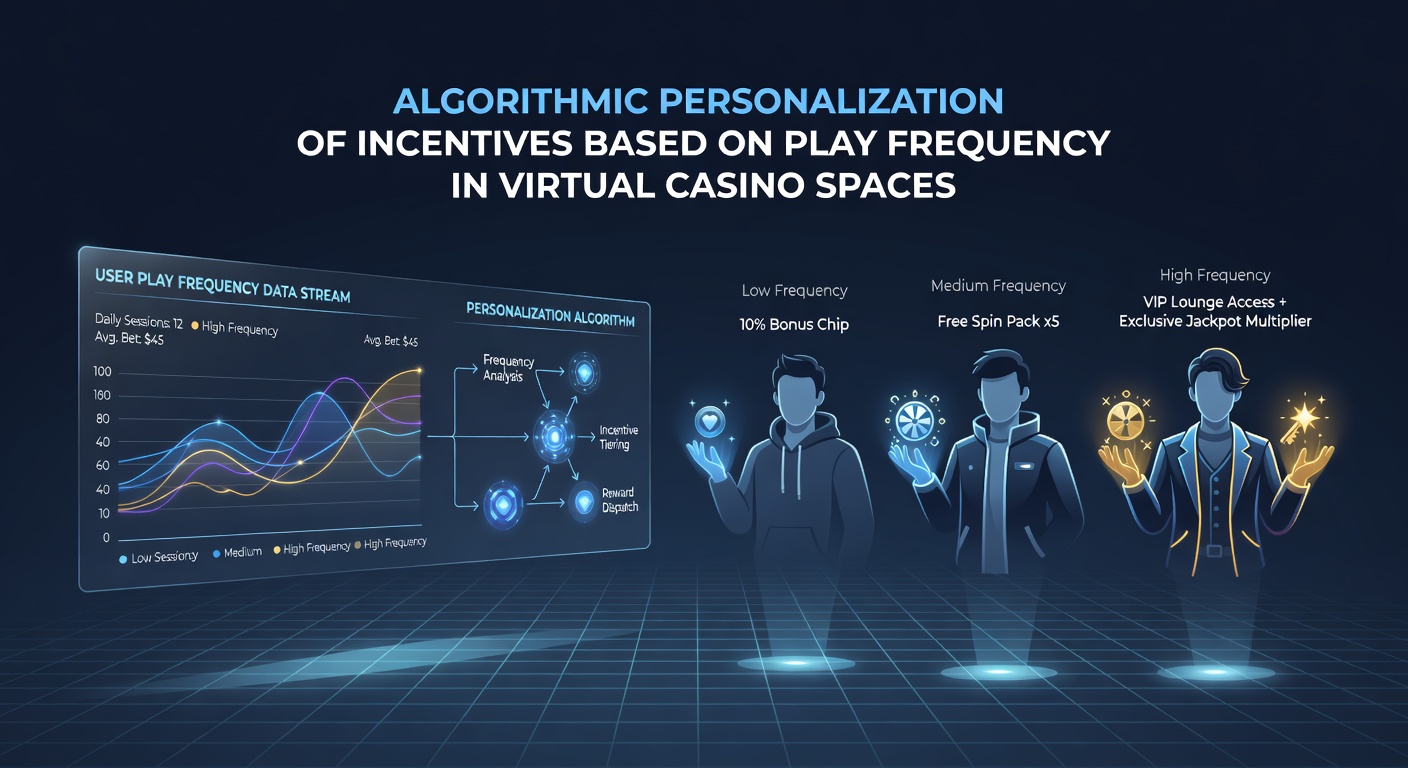
European operators have tested hybrid models that combine frequency data with session duration metrics, resulting in tiered access to exclusive game modes for those exceeding average participation benchmarks, and figures from the Canadian Gaming Association highlight adoption rates among major digital providers as of late 2025. Such implementations require secure data pipelines to handle volume spikes during promotional events, ensuring that calculations remain accurate even when thousands of concurrent sessions occur simultaneously.
Regulatory and Technical Considerations in Multiple Jurisdictions
Authorities in jurisdictions including Nevada and several Australian states mandate transparency in how algorithmic incentives respond to play frequency, requiring operators to disclose basic criteria in terms of service documents while prohibiting undisclosed manipulation of reward triggers. Compliance frameworks from bodies like the Nevada Gaming Control Board emphasize audit trails for frequency calculations, and these standards have influenced platform designs that incorporate logging functions for regulatory review processes. In May 2026, updates to certain reporting protocols in North American markets are scheduled to take effect, potentially expanding requirements around documentation of frequency-based adjustments.
Technical safeguards include encryption for stored activity data and regular bias testing of algorithms to prevent unintended clustering effects, with industry reports noting that platforms conduct internal reviews at quarterly intervals. Observers note that cross-border operations must navigate varying rules, such as those from the Australian Communications and Media Authority, which focus on fair application of personalization rules across user demographics.
Observed Patterns in Incentive Delivery and User Response
Case examples from platform operators show that players logging in multiple times per week often qualify for accelerated point accumulation systems, whereas lower-frequency participants receive base-level incentives until patterns shift, and aggregated statistics from research papers published by university gaming studies departments support these distribution methods. What's interesting is how integration with third-party analytics tools allows finer adjustments, such as temporary boosts during off-peak hours to encourage steadier engagement rhythms without altering core frequency thresholds.
Longer-term data sets reveal seasonal fluctuations in play frequency that algorithms account for through adaptive weighting, maintaining consistency in incentive personalization across calendar quarters. Those who've studied platform operations know that API connections between tracking modules and reward engines enable seamless updates, reducing manual oversight while preserving accuracy in high-volume scenarios.
Conclusion
Algorithmic personalization based on play frequency continues to shape incentive structures in virtual casino spaces through systematic data processing and rule-based adjustments that reflect documented user patterns. Continued developments in regulatory environments and technical capabilities will determine further refinements, with operators relying on established metrics and compliance measures to sustain these systems across diverse markets.