Aligning Service Coordination with Loyalty Tier Advances in Mobile Slot and Table Systems
Written by Yves Baumann · Jul 2, 2026

Aligning Service Coordination with Loyalty Tier Advances in Mobile Slot and Table Systems
Operators in the online gaming sector have developed integrated frameworks that connect customer service outputs directly to real-time loyalty tier progressions on handheld devices, particularly for reel-based slots and card-focused table games. These systems track player activity patterns, payment histories, and engagement metrics while adjusting response protocols accordingly, which allows support teams to deliver tailored interactions without manual intervention in many cases.
Core Mechanisms Behind Status Synchronization
Data flows from portable applications feed into centralized loyalty engines that monitor elevation triggers such as deposit volumes or session durations, then route corresponding service actions like bonus unlocks or priority queue placements. According to reports from the New Jersey Division of Gaming Enforcement, platforms must maintain audit trails that link these automated responses to verified account changes, ensuring compliance during live operations across both reel and card formats.
Developers implement API connections between loyalty databases and service ticketing systems so that when a player crosses into a higher tier, responses adjust automatically, whether through faster chat resolutions or customized promotional deliveries. This coordination becomes especially relevant in environments where reel spins and card rounds occur simultaneously on the same device, requiring unified data handling to prevent discrepancies in status recognition.
Platform Adaptations for Reel and Card Environments
Reel platforms emphasize rapid session data capture to align service prompts with tier shifts during bonus rounds, whereas card environments focus on sequential play metrics that influence support scripting for live dealer sessions. Observers note that both types rely on similar backend logic but differ in how elevation events trigger visual feedback within the mobile interface, such as updated status bars or instant reward notifications that appear mid-game.
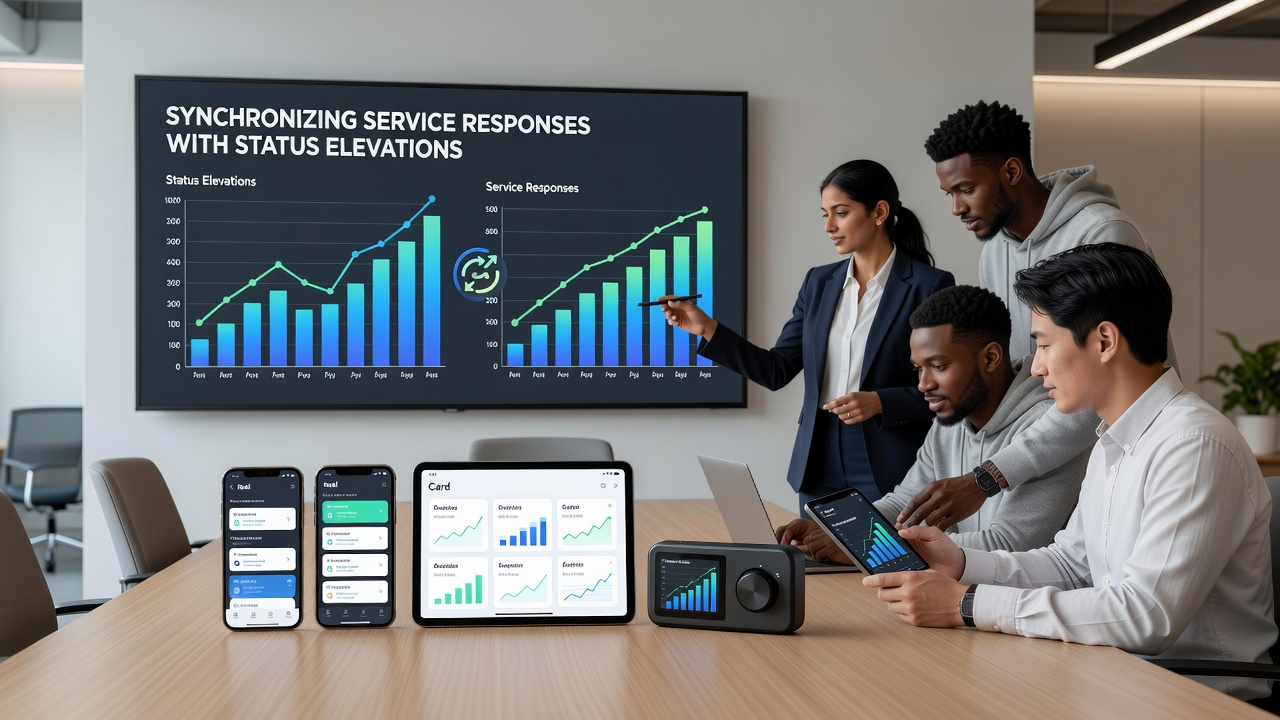
Research from the University of Nevada's gaming studies department indicates that synchronized systems reduce response latency by integrating status flags into every player transaction record. In practice, this means a service agent receives contextual data about the user's current tier before addressing an inquiry, which streamlines resolutions for issues tied to payment processing or game-specific bonuses in portable settings.
Regulatory Context and July 2026 Developments
Upcoming standards scheduled for implementation in July 2026 across several jurisdictions require explicit documentation of how service responses scale with loyalty elevations, particularly when players switch between reel and card modules on mobile devices. The Australian Communications and Media Authority has outlined guidelines that emphasize transparent data mapping to avoid mismatches between reported tier levels and delivered service outcomes.
These rules build on existing requirements for real-time synchronization, where platforms must demonstrate that elevation events produce consistent service adjustments regardless of whether the activity occurs on slots or table card interfaces. Operators have responded by enhancing their logging capabilities, allowing regulators to review synchronized logs during periodic assessments.
Technical Integration Patterns Observed in Practice
Many systems employ event-driven architectures that listen for tier change signals and propagate them to service modules within milliseconds, supporting seamless experiences during extended mobile sessions. Take one case where experts tracked a platform that linked deposit confirmations to immediate support priority upgrades, which applied equally to reel bonus triggers and card hand histories.
What's significant is the role of middleware layers that translate loyalty data into actionable service parameters, preventing fragmentation when users move between game types. This approach ensures that payment record alignments with dynamic structures remain intact across portable live dealer rounds and automated reel sequences alike.
Conclusion
Overall coordination between service responses and status elevations continues to evolve through refined data protocols that accommodate both reel and card platforms on mobile devices. As regulatory timelines approach in 2026, platforms maintain focus on verifiable linkages that support consistent player experiences while meeting compliance benchmarks from diverse oversight bodies.