Resolution Processes Driving Offer Customization in Mobile Table and Reel Gaming
Written by Kai Friedrich · Jul 16, 2026
Resolution Processes Driving Offer Customization in Mobile Table and Reel Gaming
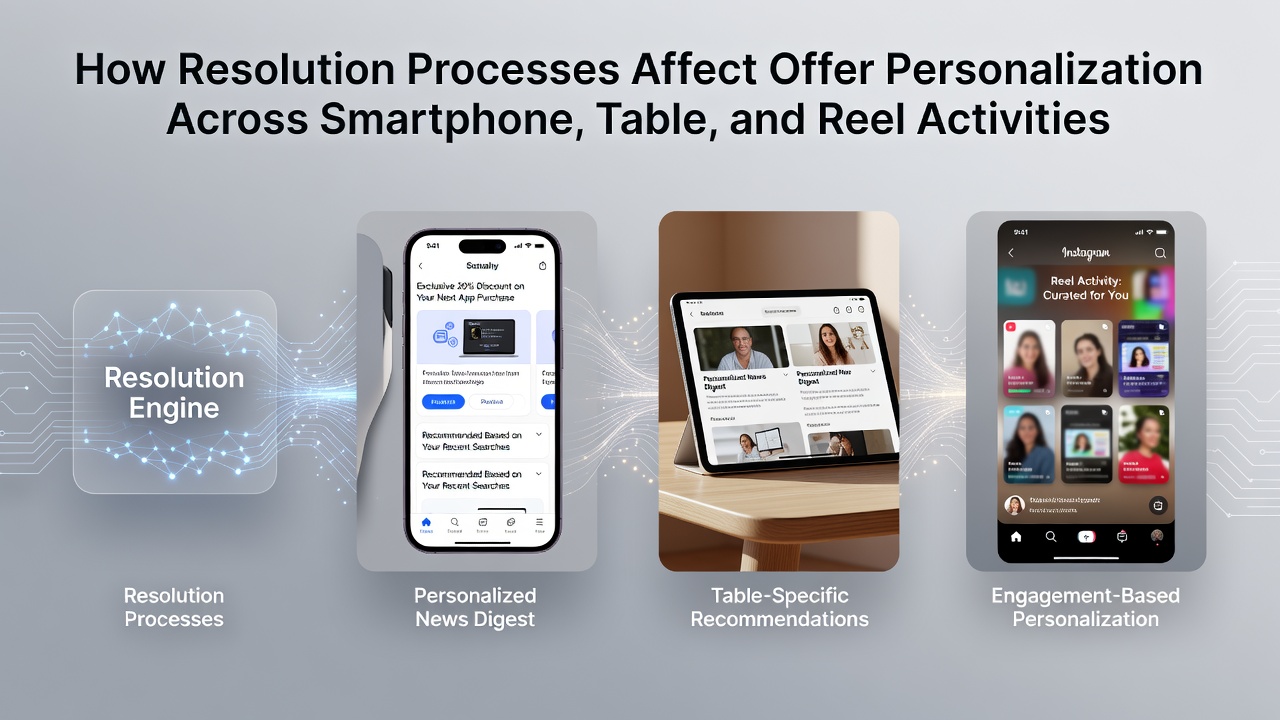
Resolution processes in digital gaming environments shape how operators deliver customized incentives to users engaged in smartphone-based table games and reel activities. These mechanisms handle disputes over transactions, account issues, and game outcomes while feeding data back into personalization engines that adjust bonuses, loyalty rewards, and promotional triggers for individual players. Operators track resolution timelines across mobile platforms where table games like blackjack and roulette run alongside reel-based slots. Data collected during these processes reveals patterns in player behavior, such as frequency of disputes during live dealer sessions or payout delays in reel spins. Systems then use this information to refine offer targeting, ensuring that users who experience quick resolutions receive more tailored promotions in subsequent sessions.Core Components of Resolution Frameworks
Modern resolution systems integrate automated tools with human oversight to address complaints in real time on mobile applications. When a player flags an issue during a table game round, the platform logs details including device type, session length, and wager history. These records flow into analytics models that segment users according to their engagement levels across reels and tables.
According to reports from the New Jersey Division of Gaming Enforcement, resolution data has become a key input for dynamic offer engines in regulated markets. The agency notes that platforms must maintain transparent logs, which operators later analyze to calibrate bonus structures without violating compliance standards.
Personalization Mechanisms Across Device Activities
Smartphone interfaces allow operators to monitor reel activities separately from table sessions because each format generates distinct interaction data. Reel games often produce high-volume micro-transactions, while table games involve longer decision cycles and social elements in live dealer formats. Resolution processes capture these differences and route them into segmentation algorithms that generate activity-specific incentives.
One study from the University of Nevada, Las Vegas gaming research division found that players who resolved payout queries within 24 hours showed higher retention rates when subsequent offers matched their preferred game type. The findings indicate that resolution speed directly correlates with the precision of later personalized promotions delivered via push notifications on mobile devices.
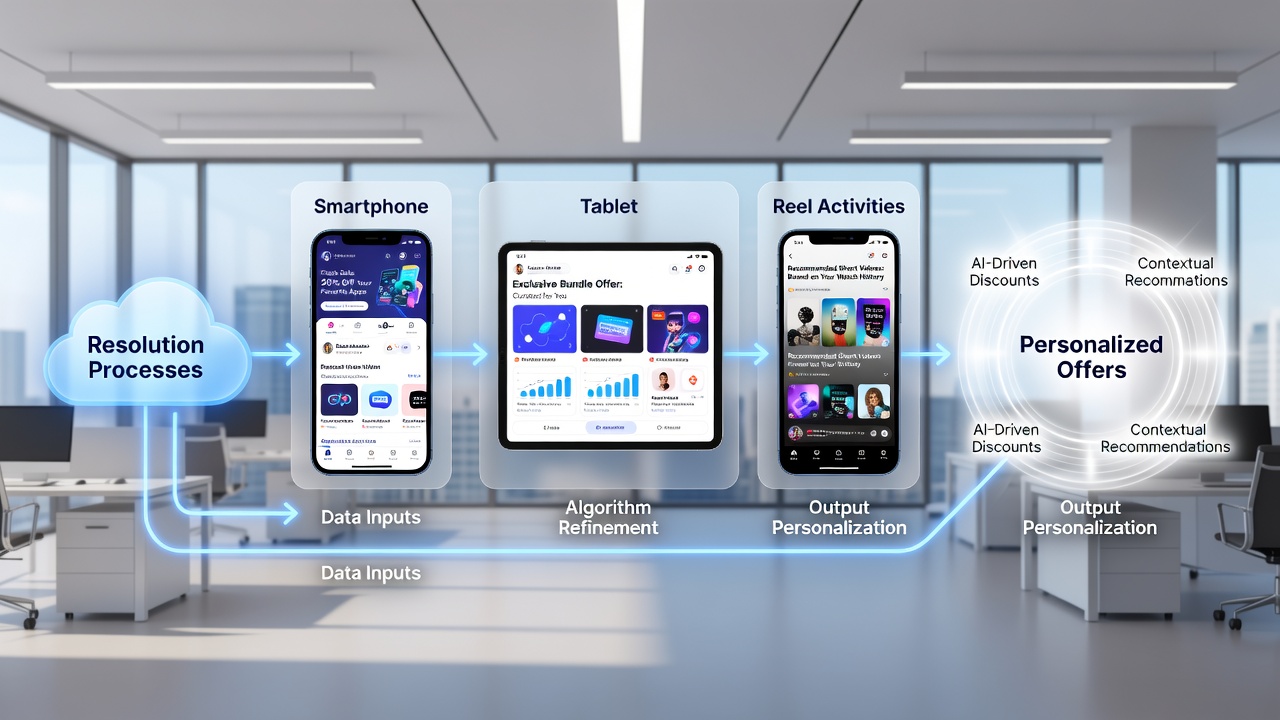
Cross-Activity Data Flow in July 2026 Landscape
By July 2026 regulatory updates in several North American jurisdictions require platforms to synchronize resolution records with loyalty systems operating across both reel and table environments. This integration allows operators to detect when a user encounters friction in one activity and adjust offers in the other to maintain engagement balance.
Platforms now employ machine learning models that weigh past resolution outcomes against current play patterns. A user who frequently plays reels but encounters table game disputes might receive reel-focused free spins rather than table-specific credits, because the resolution history signals a preference that operators can accommodate while reducing future friction.
Regional Regulatory Influences on Offer Calibration
The Alcohol and Gaming Commission of Ontario requires detailed reporting on how resolution data influences promotional targeting. Licensed operators must demonstrate that personalized offers remain fair and do not exploit users based on dispute histories. Similar frameworks in Australian markets, tracked through the Australian Gambling Research Centre, emphasize transparency in how resolution timelines affect bonus eligibility across mobile formats.
These requirements have prompted developers to build audit trails that link each resolution event to subsequent offer modifications. The trails help regulators verify that personalization engines operate within established guidelines while still delivering relevant incentives to smartphone users.
Technical Integration Points
API connections between resolution management software and offer personalization layers enable real-time updates. When a table game dispute resolves favorably, the system can immediately flag the player profile for increased reel bonus eligibility in the next login session. Conversely, repeated unresolved reel issues may trigger conservative offer parameters during table play to manage risk exposure.
Operators report that such linkages reduce redundant support contacts while increasing the relevance of delivered promotions. The approach relies on anonymized datasets that comply with data protection standards yet still provide sufficient granularity for accurate segmentation.
Conclusion
Resolution processes function as both compliance safeguards and data sources that refine offer personalization across smartphone table and reel activities. As regulatory environments evolve through 2026, platforms continue to develop tighter connections between dispute handling systems and promotional engines. These connections allow operators to maintain compliance while delivering activity-appropriate incentives that reflect individual player histories and preferences.