Seasonal Shifts Redefine Bonus Patterns in Handheld Casino Formats
Written by Kai Friedrich · Aug 11, 2026
Seasonal Shifts Redefine Bonus Patterns in Handheld Casino Formats
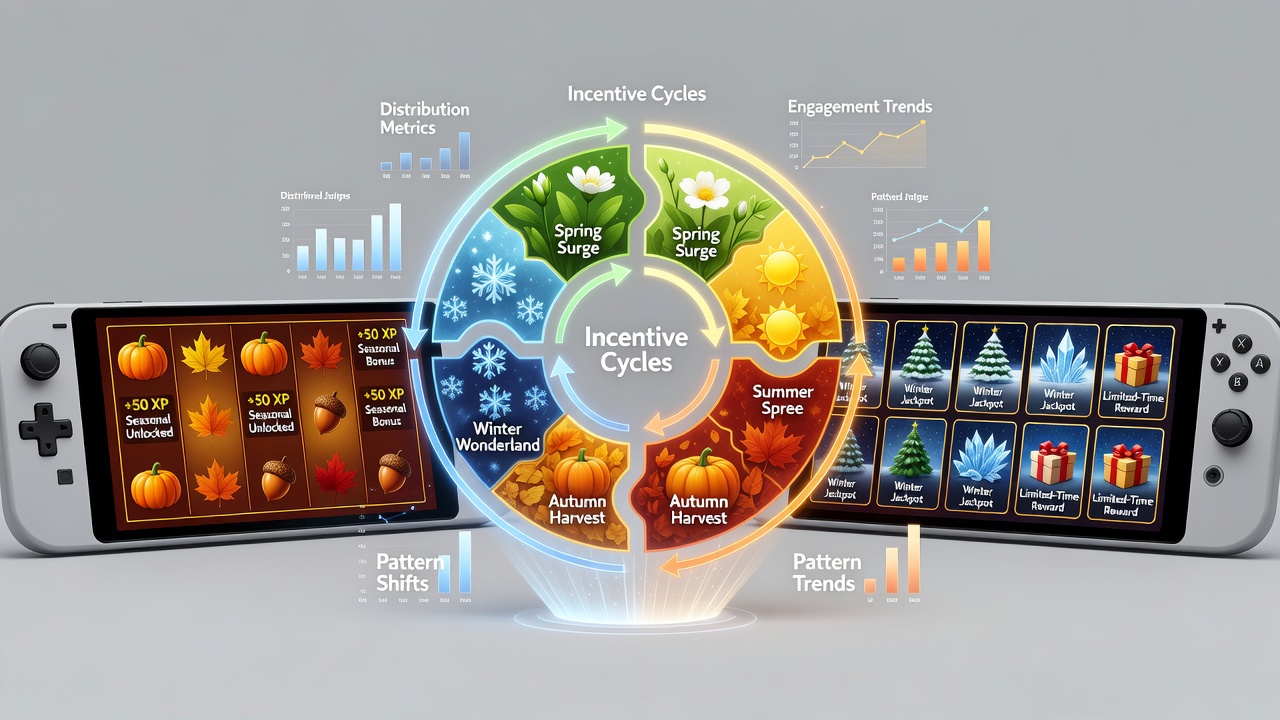
Seasonal event cycles create distinct rhythms in how incentives reach players across reel-based slots and card game formats on handheld platforms, with data from multiple markets showing measurable shifts in bonus allocation tied to calendar markers like holidays and regional festivals. Operators adjust reward structures in response to engagement spikes, and those adjustments differ between spinning reel mechanics and strategic card sessions because player behavior diverges sharply between the two formats.
Calendar Markers and Format-Specific Responses
Research from industry tracking firms indicates that Halloween and year-end holiday periods produce elevated free-spin distributions on mobile slots, whereas card formats such as blackjack and poker variants see increased deposit-match or cashback layers during the same windows. The difference arises because reel games reward volume of spins, while card games tie incentives more closely to session length and decision-making patterns. Observers note that handheld interfaces amplify these distinctions because push notifications and in-app timers reach users at higher frequency than desktop equivalents.
Figures released by the American Gaming Association reveal that mobile slot bonus redemptions rise between 18 and 27 percent during the final quarter, yet live-dealer card tables on the same devices record only single-digit gains unless paired with loyalty-tier multipliers. This pattern holds across multiple U.S. states with regulated mobile offerings and appears consistent in Australian and Canadian markets where seasonal tourism overlaps with gaming peaks.
Regional Data and Platform Adjustments
Studies conducted by the Canadian Gaming Association document how summer festival periods in provinces such as Ontario generate targeted reel incentives tied to local events, while card-game rewards shift toward tournament entries rather than immediate cashback. Handheld platforms allow operators to segment these offers by device telemetry, so players who switch between slot and table formats receive sequenced incentives that match their movement across game types. The result is a layered distribution model where one reward type unlocks another only after a seasonal threshold is met.
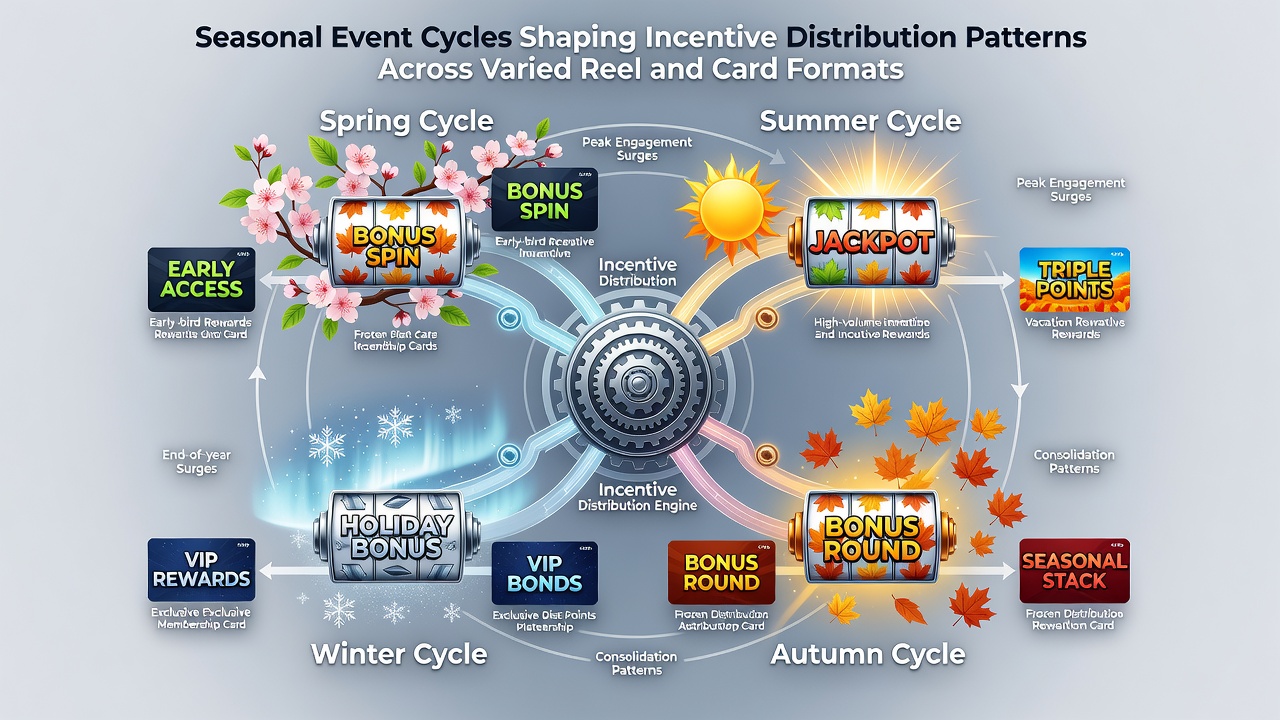
European operators following guidelines from the Malta Gaming Authority have reported similar segmentation, with August data sets showing that back-to-school campaigns favor slot free-round bundles while card formats receive rake reductions during evening commute hours. These adjustments reflect telemetry collected directly from portable applications, where location and time-of-day signals inform which incentive type reaches which player cohort.
August 2026 Observations and Emerging Trends
Telemetry gathered through August 2026 indicates that late-summer lulls in certain regions prompt operators to front-load autumn reel bonuses, creating carry-over effects that extend into holiday card-game promotions. The pattern demonstrates how one seasonal cycle seeds the next, with handheld platforms serving as the primary delivery channel because they capture real-time engagement drops faster than land-based systems. Data compiled by the Australasian Gaming Council further shows that cross-format incentives—such as slot progress bars that unlock table-game entry tickets—gain traction when aligned with school-break calendars across multiple hemispheres.
Measurement and Distribution Mechanics
Tracking studies published in peer-reviewed gaming technology journals describe algorithmic models that weight reel and card incentives according to historical seasonal curves, then apply device-specific modifiers for screen size and connection stability. Those models produce higher conversion rates when rewards appear as time-limited offers rather than static menus, a finding replicated across both North American and Asia-Pacific datasets. Operators therefore schedule release windows that coincide with known travel or weather disruptions, ensuring the incentives land when users open applications during commutes or waiting periods.
Payment integration timing also follows these cycles, with e-wallet top-ups processed ahead of major festivals to reduce friction when seasonal bonuses activate. Regulatory filings in multiple jurisdictions confirm that disclosure of these timed offers must occur within the application interface itself, maintaining transparency while preserving the urgency that drives redemptions.
Conclusion
Seasonal event cycles continue to shape incentive distribution across mobile reel and card formats by aligning reward mechanics with documented shifts in player activity. Handheld platforms serve as the central conduit because they supply the granular data required for precise timing and format differentiation. As additional markets finalize mobile regulations, the same calendar-driven patterns are expected to recur with increasing refinement, supported by ongoing telemetry from established operators and oversight bodies.