Verification Footprints: How Authentication Timelines Shape Sequential Bonus Deployments in Smartphone Casino Environments
Written by Iris Krüger · Jun 23, 2026
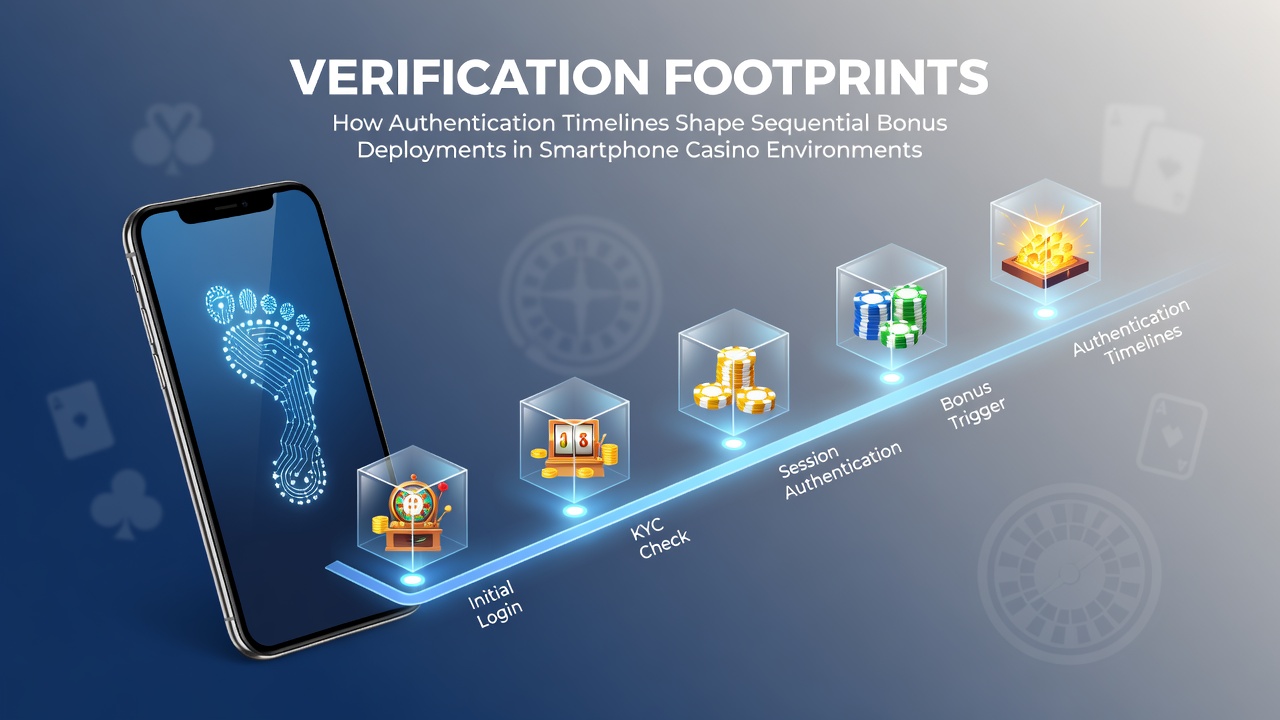
Verification Footprints: How Authentication Timelines Shape Sequential Bonus Deployments in Smartphone Casino Environments
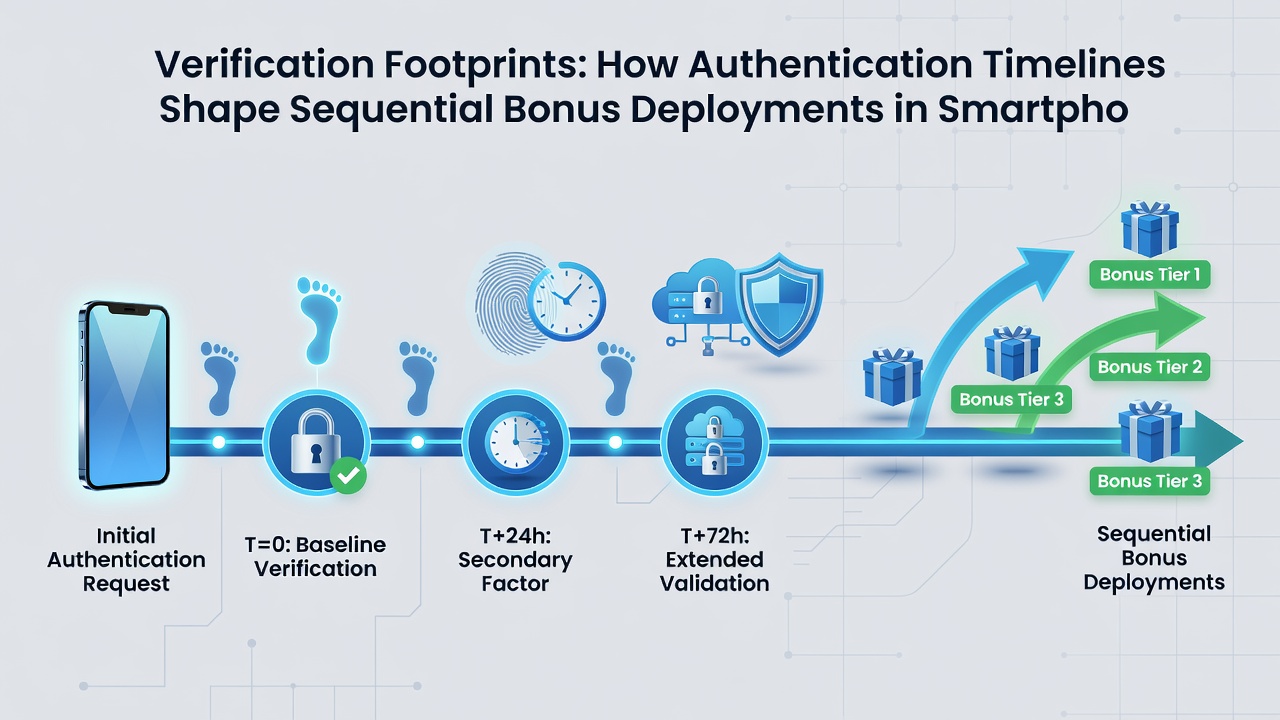
Authentication processes in smartphone casino platforms rely on layered verification steps that create distinct footprints across user timelines, and these footprints directly influence when sequential bonuses activate during mobile sessions. Operators structure bonus deployments around confirmation stages such as identity checks, device registration, and payment validation, each of which adds measurable delays or accelerations depending on the method used. Data from mobile gaming platforms shows that users completing biometric verification within teh first session often receive initial deposit matches within minutes, whereas those relying on manual document uploads experience staggered releases tied to review completion times.
Core Components of Mobile Authentication Timelines
Smartphone casino environments integrate several verification mechanisms that operate sequentially rather than in parallel, and this sequencing produces predictable patterns in bonus availability. Device fingerprinting occurs immediately upon app launch, followed by account creation that may require email or phone confirmation, then identity verification through government ID upload or facial scan. Each stage generates a timestamp that operators log to determine eligibility for the next bonus tier, with systems designed to release rewards only after prior checkpoints clear. Research from the University of Nevada Reno Gaming Research Center indicates that average verification completion times range from 45 seconds for automated facial recognition to 48 hours for manual reviews during peak periods.
Payment method integration adds another layer because e-wallet and card authorizations must align with the same timeline before bonus funds appear in player accounts. When a deposit processes before identity verification finishes, platforms hold associated bonuses until both records match, creating a sequential dependency that users observe as delayed reward notifications. Observers note this structure prevents premature bonus claims while maintaining compliance with regional licensing requirements across multiple jurisdictions.
Sequential Bonus Deployment Mechanics
Bonus structures in smartphone casinos typically unfold in stages that correspond to verification milestones, and operators program these releases to occur automatically once authentication records update. The first bonus often unlocks after initial device and email confirmation, the second after identity verification completes, and subsequent layers activate following deposit history accumulation or loyalty status elevation. This approach ensures each reward tier builds upon confirmed user data rather than pending submissions, reducing instances of bonus reversal due to failed checks.
Platforms track these deployments through centralized logs that record both the verification event and the precise moment a bonus becomes claimable, allowing support teams to trace any discrepancies back to specific timeline gaps. In June 2026 several North American operators plan to implement enhanced real-time API connections between verification providers and bonus engines, which should shorten the interval between identity approval and reward activation to under 90 seconds for most users. Such updates aim to synchronize authentication footprints more tightly with deployment sequences without altering existing compliance frameworks.
Regional Regulatory Influences on Timeline Structures
Licensing authorities in different regions impose varying requirements on verification speed and documentation standards, which in turn shape how smartphone platforms sequence their bonus releases. The Nevada Gaming Control Board mandates that operators maintain audit trails showing verification completion before any bonus funds become playable, while Australian state regulators require similar documentation but allow provisional access under strict monitoring conditions. These differences mean users accessing the same app from different locations encounter distinct timeline thresholds that affect when sequential bonuses appear.
Industry reports compiled by the Canadian Gaming Association highlight that platforms serving multiple regions often maintain separate verification queues to accommodate these regulatory variations, resulting in bonus deployment patterns that differ based on the user's registered jurisdiction. When authentication timelines stretch due to cross-border document reviews, operators delay later bonus stages accordingly to remain aligned with local rules.
Impact of Device and Network Variables
Smartphone hardware capabilities and network conditions further modulate authentication timelines, and these variables influence the pace at which sequential bonuses deploy. Devices with built-in secure enclave chips complete biometric checks faster than older models requiring cloud-based processing, while intermittent mobile data connections can interrupt document uploads and reset verification progress. Operators record these device-specific timestamps to adjust bonus release schedules, ensuring rewards only activate once all required data packets have transmitted successfully.
Those who've studied user behavior patterns across platforms report that verification failures due to poor connectivity often lead to manual intervention, which extends the overall timeline by several hours and postpones subsequent bonus layers until the issue resolves. This creates a feedback loop where repeated authentication attempts generate additional footprints that the system must reconcile before advancing the bonus sequence.
Conclusion
Authentication timelines in smartphone casino environments function as the backbone for sequential bonus deployments, with each verification stage producing footprints that determine reward availability. Regional regulations, device factors, and payment integrations all contribute to the precise ordering and timing of these releases, creating a structured system that operators refine continuously through updated API connections and compliance adjustments. As platforms prepare for scheduled enhancements in 2026, the relationship between verification speed and bonus sequencing remains central to maintaining orderly mobile gaming operations across jurisdictions.