Verification Systems Directing Staged Rewards During On-the-Go Live Table Engagements
Written by Kai Friedrich · Jun 6, 2026
Verification Systems Directing Staged Rewards During On-the-Go Live Table Engagements
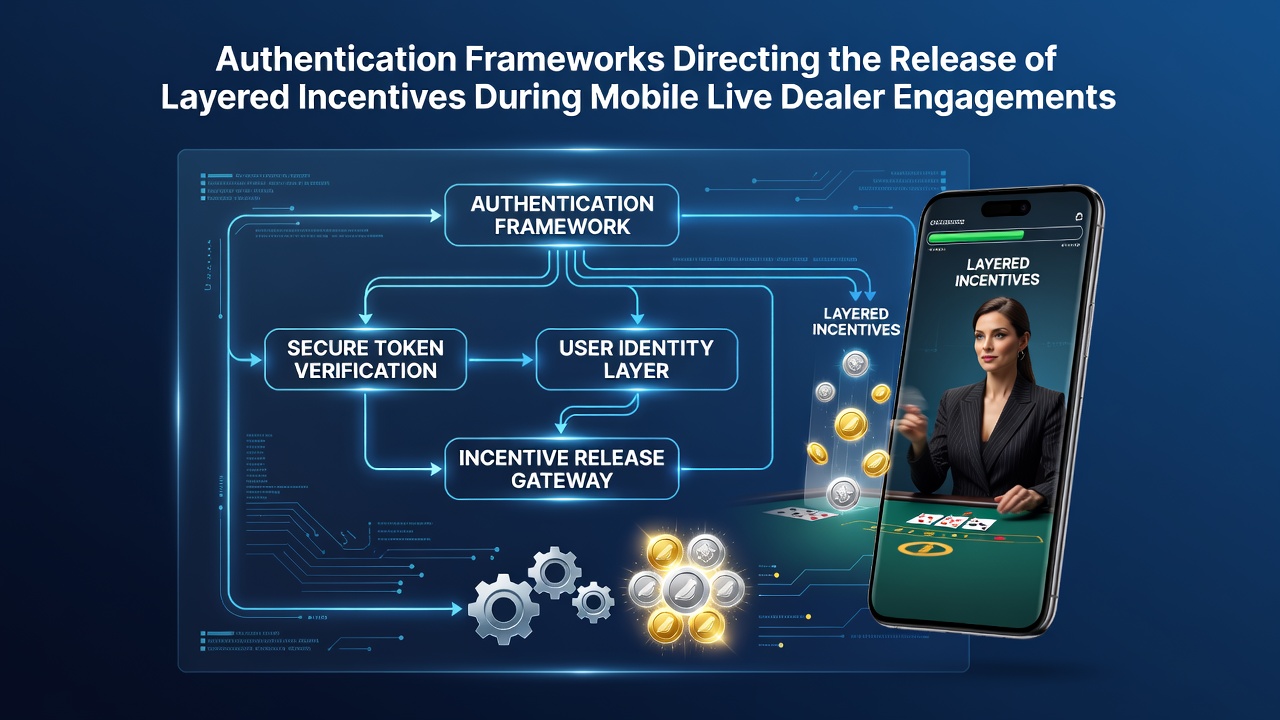
Authentication frameworks operate as gatekeepers that sequence the distribution of multi-tiered incentives across mobile platforms hosting live dealer games, ensuring that each reward layer activates only after specific identity and activity thresholds are met. These systems integrate biometric checks, token-based sessions, and real-time behavioral monitoring to align player verification with progressive benefit releases during streamed table interactions on handheld devices.
Core Components of Mobile Authentication in Live Dealer Contexts
Systems typically combine device fingerprinting with multi-factor protocols that confirm user identity before unlocking initial deposit matches or free bet credits, while subsequent layers such as cashback percentages or exclusive table access require accumulated playtime metrics verified through continuous session tokens. Research from industry reports shows that such sequencing prevents premature incentive distribution and maintains compliance with jurisdictional rules on promotional mechanics.
Token rotation occurs at regular intervals during live rounds, refreshing credentials without interrupting video feeds from physical casino floors, and this process coordinates directly with backend loyalty databases that track engagement patterns across slots and dealer tables simultaneously. Data from regulatory filings indicate that platforms employing these methods experience measurable reductions in account sharing incidents, which in turn stabilizes the timing of reward tier advancements.
Layered Incentive Release Mechanics
Initial authentication grants entry to base promotions upon first mobile login and deposit confirmation, after which play volume thresholds trigger secondary tiers including boosted rakeback during live blackjack or roulette sessions. Higher strata demand additional verification steps such as address reconfirmation or source-of-funds documentation, releasing premium incentives like private dealer invitations or accelerated point multipliers only when those conditions are satisfied through automated framework checks.
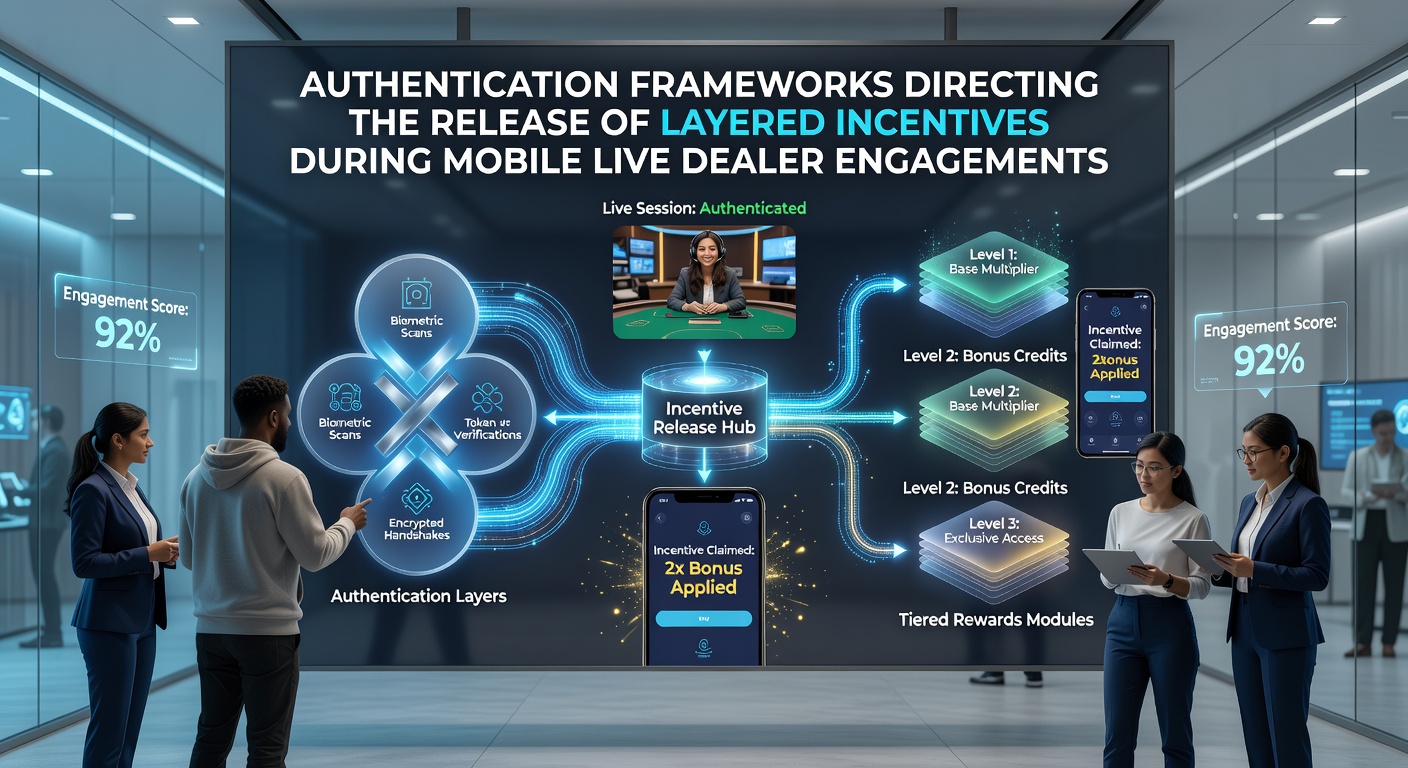
Observers note that this staged approach integrates with payment gateways so that each completed transaction simultaneously updates authentication status and incentive eligibility, creating a unified data flow that operators use to customize offers based on session duration and game type preferences. Analyses released in June 2026 highlighted how these coordinated releases have become standard across major mobile operators seeking to balance player retention with regulatory oversight requirements.
Regulatory Alignment and Technical Standards
Jurisdictions enforce that authentication must precede any incentive activation, with frameworks required to log every verification event for audit purposes during live dealer streams accessed via portable applications. The New Jersey Division of Gaming Enforcement maintains public guidelines on these protocols that emphasize secure data handling during real-time engagements, and platforms reference these standards when designing their mobile verification sequences.
Additional oversight comes from bodies such as the Australian Communications and Media Authority, which tracks how authentication impacts promotional fairness in cross-border mobile gaming environments. Technical standards often incorporate API connections between identity providers and game servers, allowing seamless progression through incentive layers without exposing sensitive player data during live table interactions.
Implementation Patterns Across Platforms
Many operators deploy cloud-based authentication services that scale verification demands according to peak mobile traffic periods, ensuring that layered rewards release consistently even when thousands of users engage live dealer content simultaneously. Case examples from platform audits reveal that integration of geolocation data with standard login procedures further refines incentive eligibility, restricting certain tiers to approved regions while permitting base rewards more broadly.
Those who've studied deployment logs find that frameworks frequently employ machine learning models to predict when a player approaches the next reward threshold, pre-authenticating elements of the account to accelerate the transition once live play confirms the required activity level. Such predictive elements operate within the same security envelope that governs all mobile sessions.
Conclusion
Authentication frameworks continue to evolve as central coordinators for releasing layered incentives in mobile live dealer settings, linking identity confirmation directly to reward progression across sessions. Their structured sequencing supports both operational efficiency and compliance objectives while accommodating growing volumes of portable engagement. Continued refinement of these systems aligns technical capabilities with the demands of real-time table environments accessed through handheld devices.